
North Jewellers Journal
Audemars Piguet Royal Oak: Why Is It So Iconic?
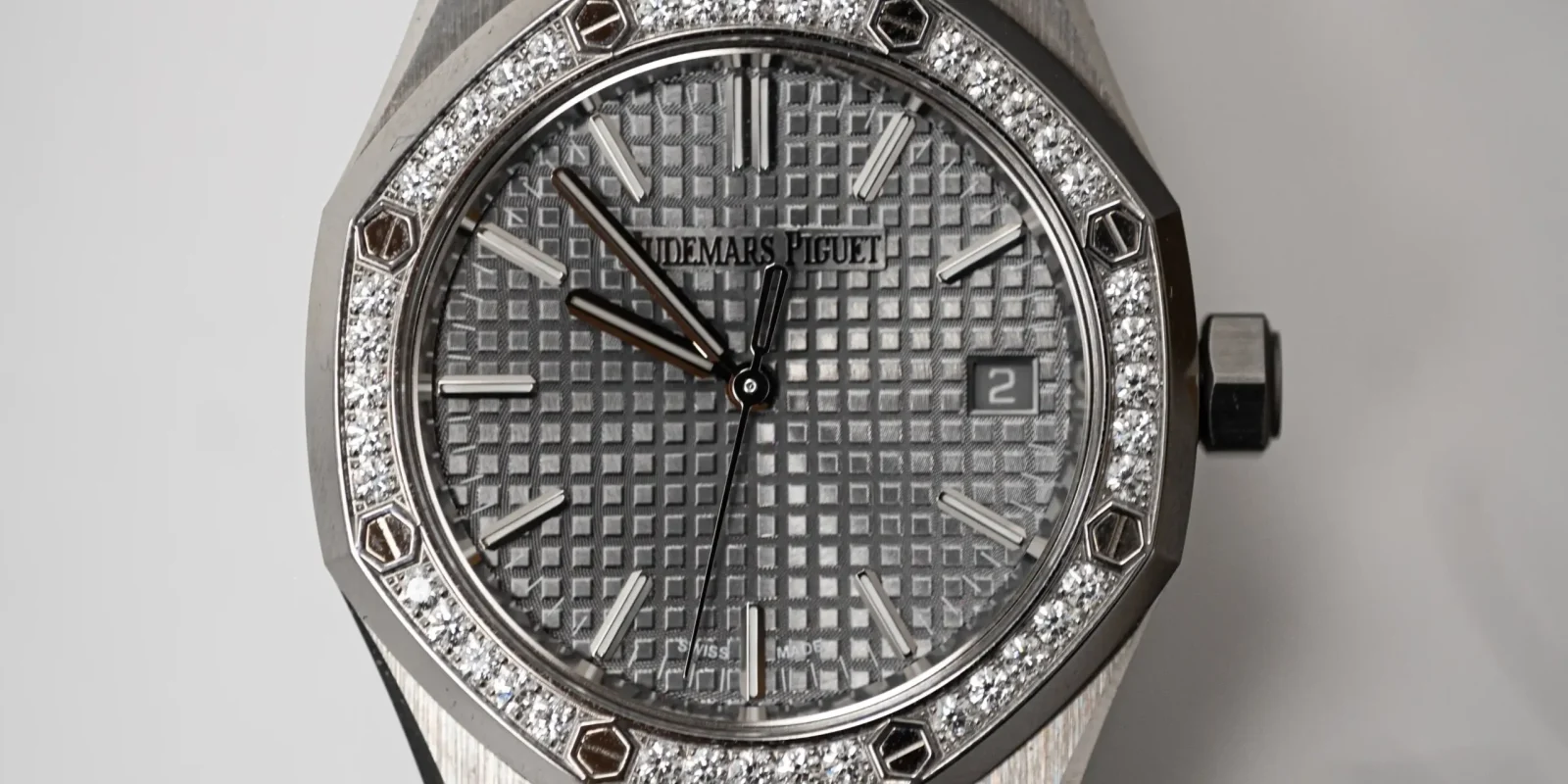
Few watches have influenced modern luxury watchmaking quite like the Audemars Piguet Royal Oak.
When it appeared in 1972, the idea of producing a high-end sports watch in stainless steel was radical. More than five decades later, the Royal Oak has become the defining collection of Audemars Piguet and one of the most recognisable luxury watches in the world.
Its octagonal bezel, exposed screws, integrated bracelet and distinctive Tapisserie dial have created a design language that remains unmistakable today.
But what made the Royal Oak so important, and why does it continue to attract collectors around the world?
The Birth of the Audemars Piguet Royal Oak
The story of the Royal Oak began around 1970, when Audemars Piguet received requests for a steel watch that could combine sportiness with elegance.
The company turned to legendary watch designer Gérald Genta, who produced the initial design overnight. After approximately two years of development, the Royal Oak was officially launched in 1972.
The original model was the Royal Oak Reference 5402.
At 39mm, it was unusually large for its era. More importantly, Audemars Piguet had taken stainless steel, traditionally associated with practical watches, and finished it to the standards expected of precious metal.
The result challenged the established idea of what a luxury watch could be.
A Design Unlike Anything Else
More than 50 years later, the fundamental design of the Royal Oak remains instantly recognisable.
Its defining features include:
- Octagonal bezel
- Eight visible hexagonal screws
- Integrated bracelet
- Tapisserie patterned dial
- Contrasting brushed and polished surfaces
- Distinctive tonneau-shaped case
Genta’s design was influenced by the appearance of a traditional diving helmet, with its visible screws and gasket helping inspire the architecture of the watch.
Rather than hiding the functional elements of the case, the Royal Oak made them part of its identity.
That was a radical approach in 1972.
Today, it is one of the most recognisable silhouettes in watchmaking.
Why Stainless Steel Was Such a Big Deal
This is perhaps the most important part of the Royal Oak story.
Before the Royal Oak, high-end watchmaking was largely associated with precious metals and traditional dress watches.
Audemars Piguet did something very different.
The original Royal Oak used stainless steel, but the complexity and quality of its finishing elevated the material into the world of haute horlogerie. Audemars Piguet itself describes the 5402 as the first high-end steel sporty timepiece.
The case and bracelet featured a combination of brushed and polished surfaces that required exceptional finishing.
This helped establish an entirely new category:
the luxury steel sports watch.
The concept that feels completely normal today was revolutionary at the beginning of the 1970s.
The Royal Oak Bracelet
One of the greatest elements of the Royal Oak is also one that photographs don’t fully capture.
The bracelet.
Rather than appearing as a separate component attached to the watch, the bracelet flows directly from the case.
Its links gradually taper and combine brushed surfaces with polished details, allowing light to move across the bracelet as the wrist moves.
That integration between the case and bracelet became fundamental to the Royal Oak’s identity and has influenced countless luxury sports watches since.
The Famous Tapisserie Dial
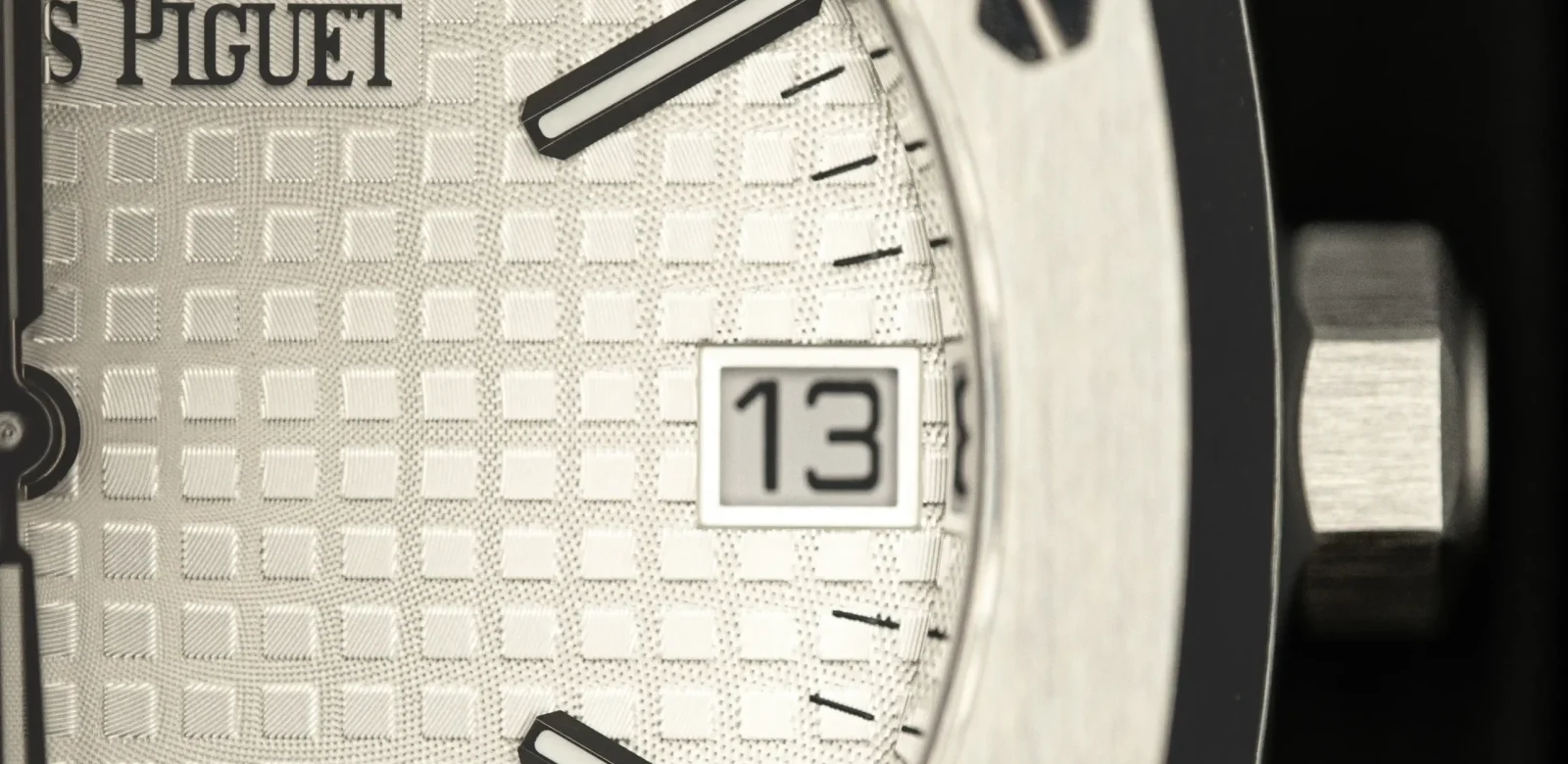
Another defining Royal Oak feature is its patterned dial.
The distinctive Tapisserie design adds texture and depth without overpowering the watch.
Depending on the reference, Royal Oak models have featured different interpretations and sizes of the pattern over the years.
Combined with the octagonal bezel and integrated bracelet, it forms part of the visual DNA that allows a Royal Oak to be recognised almost instantly.
From One Watch to an Entire Collection
For the first four years, the Royal Oak 5402 was the only Royal Oak available.
That began to change in 1976 with the introduction of the first women’s Royal Oak, designed by Jacqueline Dimier. Gold, two-tone, additional sizes and new movements followed as Audemars Piguet gradually transformed the original concept into an entire collection.
Over the decades, the Royal Oak family has expanded to include everything from relatively simple time-and-date watches to:
- Chronographs
- Perpetual calendars
- Tourbillons
- Openworked watches
- Minute repeaters
- Gem-set references
- Highly complicated limited editions
Despite this enormous variety, the original design remains clearly visible throughout the collection.
What Is the Royal Oak “Jumbo”?
You’ll often hear collectors refer to certain Royal Oak models as the “Jumbo.”
The nickname traces back to the proportions of the original 39mm Royal Oak 5402, which was considered exceptionally large when it launched.
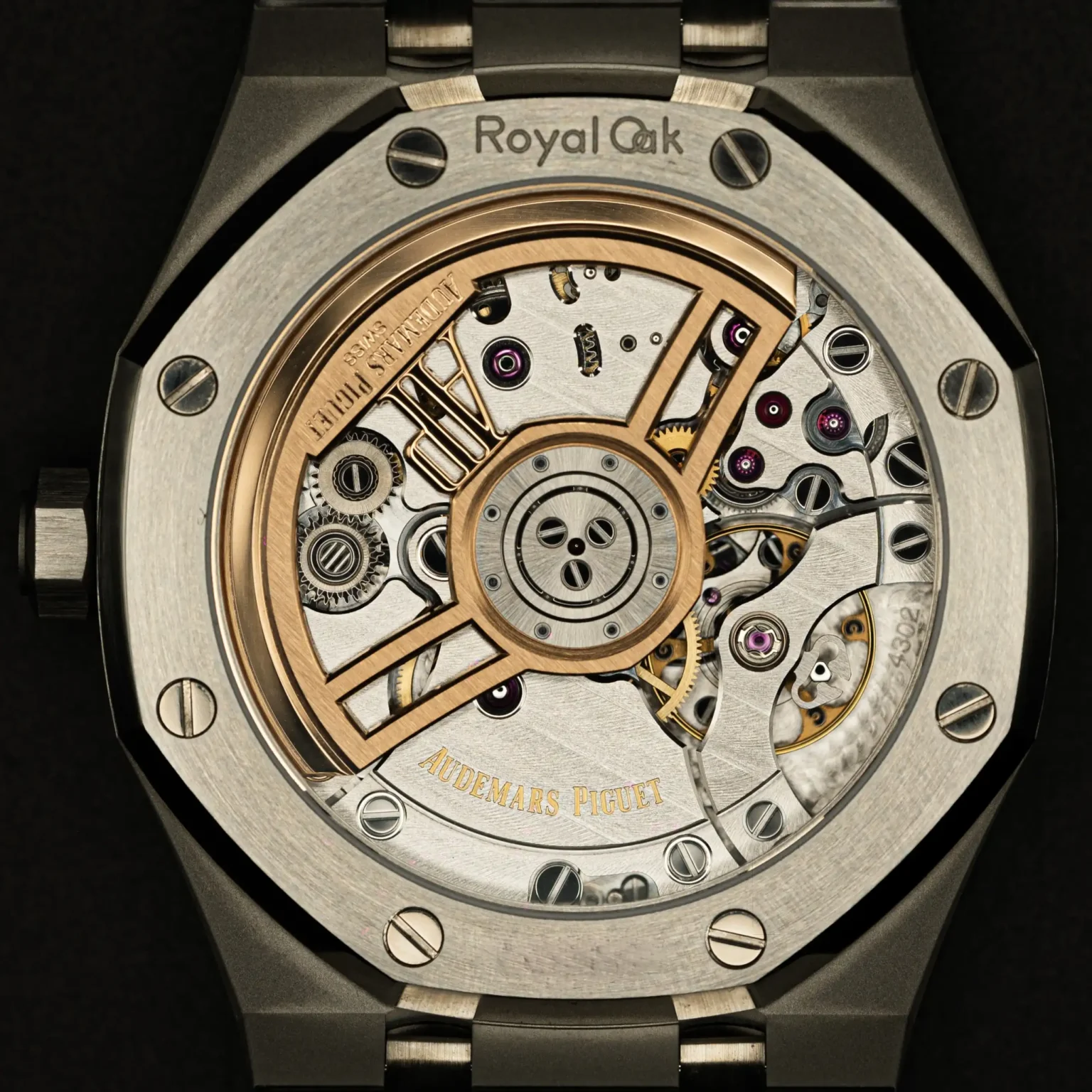
The original 5402 used the ultra-thin automatic Calibre 2121. Modern descendants have continued the concept, including the current-generation 39mm Royal Oak “Jumbo” Extra-Thin 16202 introduced for the collection’s 50th anniversary in 2022.
For collectors, these models have a particularly strong connection to Genta’s original design.
Why Is the Audemars Piguet Royal Oak So Desirable?
There isn’t one single reason.
The Royal Oak combines several qualities collectors look for:
Heritage.
It has more than five decades of history and played an important role in changing the direction of luxury watch design.
Distinctive design.
There is very little chance of mistaking a Royal Oak for something else.
Finishing.
The combination of polished and brushed surfaces across the case and bracelet is a fundamental part of its appeal.
Watchmaking.
The collection spans everything from automatic time-only watches to some of Audemars Piguet’s most complicated creations.
Exclusivity.
Demand for certain Royal Oak references remains extremely strong.
Together, these qualities have helped turn what was once a controversial design into a genuine watchmaking icon.
Does the Audemars Piguet Royal Oak Hold Its Value?
Certain Royal Oak references have demonstrated very strong demand on the secondary market, but values vary considerably depending on the exact watch.
Factors include:
- Reference
- Material
- Dial
- Condition
- Age
- Rarity
- Box and papers
- Current collector demand
Particularly desirable or rare configurations can trade very differently from more readily available references.
For that reason, a Royal Oak should be valued according to its exact specification and current market conditions, rather than assuming every Royal Oak has the same resale performance.
For a more detailed breakdown of the factors affecting resale value, read our guide to how much an Audemars Piguet is worth.
Why the Royal Oak Remains an Icon
The Audemars Piguet Royal Oak did more than introduce a new watch.
It challenged the conventions of luxury watchmaking.
Its combination of stainless steel, exceptional finishing, integrated design and sports-watch practicality helped establish a category that has since become one of the most important areas of the luxury watch market.
More than five decades after its launch, the fundamental elements of Gérald Genta’s original design remain instantly recognisable.
That longevity is perhaps the strongest explanation for why the Royal Oak deserves to be called an icon.
Frequently Asked Questions
Who designed the Audemars Piguet Royal Oak?
The Royal Oak was designed by Gérald Genta. The initial design was created in 1970, with the finished watch launching in 1972.
What was the first Royal Oak reference?
The original model was the Audemars Piguet Royal Oak 5402, launched in 1972.
Why does the Royal Oak have eight screws?
The eight visible screws form part of the Royal Oak’s distinctive octagonal bezel and were central to Gérald Genta’s original design.
Is every Royal Oak made from steel?
No. Although stainless steel was fundamental to the original Royal Oak concept, the collection has subsequently been produced in materials including yellow gold, white gold, pink gold, platinum, ceramic and other materials.
Is an Audemars Piguet Royal Oak worth buying?
For someone who appreciates its design, heritage and finishing, the Royal Oak remains one of the most significant luxury sports watches available. However, the right reference depends on personal taste, wrist size, budget and whether the watch is being purchased primarily to wear or collect.
Explore Audemars Piguet with North Jewellers
Whether you are looking to add an Audemars Piguet to your collection or considering selling your current watch, our team can provide professional guidance throughout the process.
Browse Our Audemars Piguet Collection
Looking to Sell Your Audemars Piguet?
We provide professional valuations and transparent offers for Audemars Piguet watches, with a secure and straightforward process from start to finish. Once your watch has been inspected and verified, same-day payment is available.